
Introduction
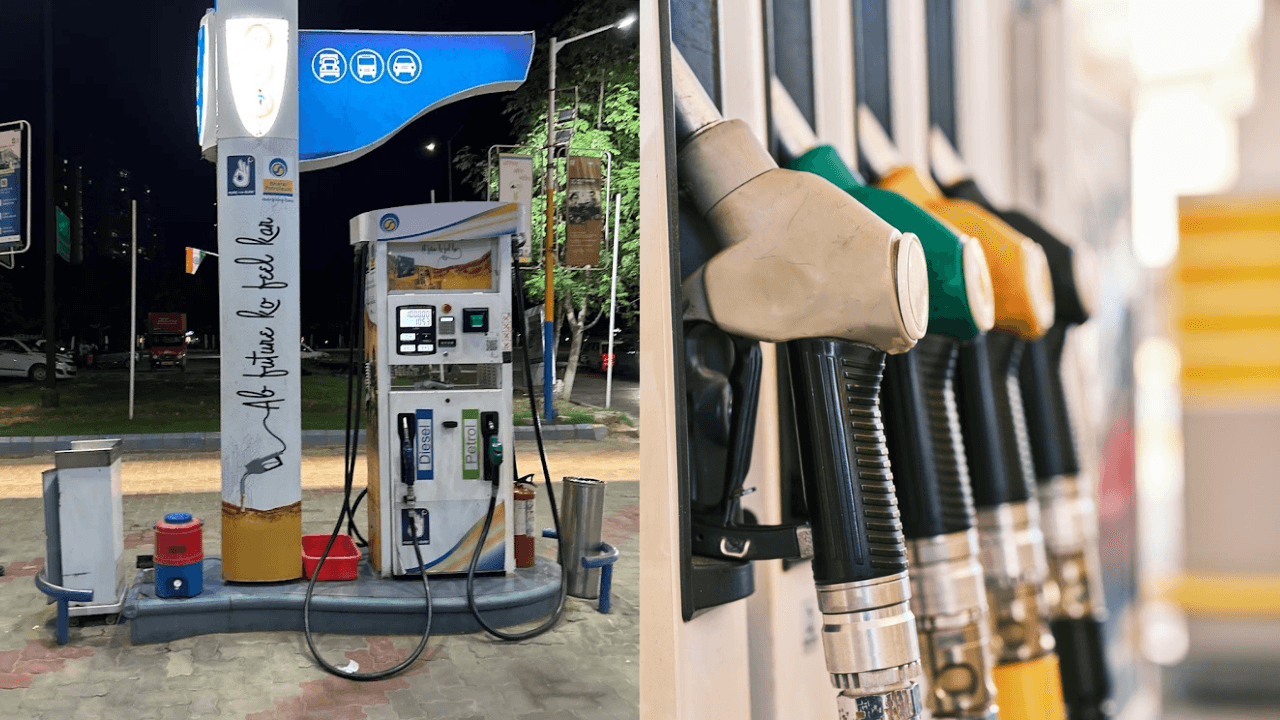
India has started a new chapter in its energy story with the nationwide rollout of E20 Petrol. This new fuel blend contains 20% ethanol and 80% petrol. It is considered a step toward energy independence, environmental sustainability, and lower oil imports. Yet, E20 petrol is drawing strong concerns from automobile owners, industry bodies, and consumer groups. Is this the bold revolution India needs, or will it create new challenges for the public? Let’s break it down.
History of Ethanol Blending in India
The concept of ethanol blending has been a long-standing part of India’s fuel policy. To understand current debates over E20 Petrol, it is useful to first look back at the origins of the Ethanol Blended Petrol (EBP) program, launched in 2003 with an initial target of a 5% mix (E5). Subsequent years saw a gradual increase to an E10 norm across most states by 2022.
Building on these earlier efforts, the government, motivated by clean energy goals and the quest to reduce crude imports, announced a roadmap to introduce E20 petrol by 2030. However, the rollout was unexpectedly accelerated, requiring a full shift to E20 by April 2025. This rapid change has left oil companies and consumers with little time to adapt.
When Did E20 Petrol Become Mandatory
From April 2025, oil marketing companies are required to supply only E20 petrol in most parts of India. This choice removes consumer options. Car owners can’t choose pure petrol (E0) or the old E10 blend anymore.
The immediate effect of this mandate was a surge of controversy. Many consumers felt unprepared and expressed concerns over the lack of public information and clear safety assurances—highlighting the tension between policy ambition and public readiness.
Public Concerns and the Rising Controversy
Despite the Government’s claims, consumers and experts have raised some concerns:
- Motorists have no choice but to accept E20 petrol, regardless of whether their vehicles are certified for the new variant of petrol or not.
- Experts’ and users’ feedback shows a 6–10% drop in fuel efficiency. This directly affects household budgets.
- Even though Ethanol is cheaper than petrol, Oil marketing companies are continuing to sell E20 petrol at the same rate as E0 petrol (without Ethanol). This raises suspicions that consumers do not benefit from this arrangement.
- Petitions have already been filed in courts, questioning whether the government can force citizens to use a new fuel.
Together, these technical, financial, and legal worries have thrust the rollout into the national spotlight—making it a source of heated headlines and ongoing debate.
How E20 Petrol Impacts Engines and Mileage
Ethanol has different chemical properties compared to petrol:
- Ethanol has a lower calorific value than petrol. According to some media reports, Ethanol has about one-third less energy per liter than petrol. This means that vehicles will require more E20 petrol to travel the same distance compared to those running on E0 petrol.
- Ethanol is more chemically reactive than petrol. This means that engines not designed for E20 or higher ethanol content can experience corrosion in fuel lines, rubber seals, and other rubber components, resulting in leaks and damage to the vehicle.
- Vehicles using E20 petrol may have starting trouble in colder climates. Ethanol’s higher vaporization temperature makes it harder for the engine to ignite the fuel in cold weather.
Although car manufacturers are producing engines designed for E20, most vehicles on Indian roads are only built to handle E10 or less. Using E20 in these older vehicles can lead to a higher risk of engine wear, fuel system damage, and reduced performance due to incompatibility with ethanol’s properties.
Beyond technical issues, pricing controversies remain a prominent concern. Many consumers wonder why cost savings from ethanol blending are not reflected at the petrol pump.
Government’s Stand on the E20 Petrol Rollout
The Government responded to public concerns through a PIB Press Release dated August 12, 2025, and strongly defended their decision to advance the previous goal of selling E20 Petrol from 2030 to 2025-26. Government clarified that –
- According to a study conducted by IOCL, ARAI & SIAM, a 1-2% drop in mileage is expected in vehicles designed for E10 but calibrated for E20 petrol, whereas other vehicles may experience a 3-6% mileage loss. However, the E20 offers better acceleration, improved ride quality, and lower carbon emissions.
- Minor adjustments in vehicles, such as replacing rubber gaskets and seals after 20,000–30,000 km in older vehicles and regular servicing, may further reduce the risk of a mileage drop.
- As feared by some, the use of E20 petrol does not have any adverse effect on the validity of the vehicle’s insurance policy.
- India imports 85% of its crude oil. Ethanol blending can save nearly ₹30,000 crore annually in foreign exchange.
- During the last 11 years, i.e., from the Ethanol Year (ESY) 2014-15 to July 2015, Public Sector Oil Marketing Companies (OMCs) have saved more than Rs. 1,44,087 crore of foreign exchange by blending ethanol in petrol.
- Ethanol is primarily produced from sugarcane, maize, and surplus rice, offering farmers an alternative market.
- Ethanol-generating plants create employment in rural areas. To ensure a stable feedstock supply, the Government expanded maize cultivation through ICAR/IIMR projects, diverted surplus sugar and rice to ethanol production, and ensured investment in related infrastructure, such as storage and transportation.
- The E20 petrol rollout is expected to cut carbon monoxide emissions by up to 50% compared to E0 petrol. CO2 emission reduction is approximately 736 lakh metric tonnes, equivalent to planting 30 crore trees.
The Government believes the E20 petrol rollout is not just about fuel, but a national program aimed at sustainability and economic resilience. Maintaining uniform petrol prices across states helps avoid confusion. Moreover, oil companies have invested heavily in ethanol storage, blending units, and supply chains.
Global Experience: Brazil’s Ethanol Success Story
India looks to Brazil for inspiration, which started ethanol blending during the 1970s oil crisis. Today, cars in Brazil run on E27 petrol or even E100 (100% ethanol). Brazil has built a strong ethanol supply chain. This made fuel more affordable and cleaner for the environment.
However, Brazil succeeded through long-term planning, incentives for automakers, and consumer choice, rather than sudden mandates.
Lessons for India from Brazil and Other Countries
India can learn three lessons from Brazil and the U.S.A.:
- First, give consumers a choice. Let E0, E10, and E20 options coexist to build trust.
- Second, offer tax incentives and research and development (R&D) support to accelerate the production of E20-compatible vehicles.
- Third, sharing cost savings at the pump.
Without these steps, India risks turning a good policy into a public resentment story.
Key Challenges Ahead for India’s E20 Transition
- Vehicle Compatibility: Millions of older vehicles remain at risk.
- Supply Chain Dependence: Ethanol production relies heavily on sugarcane, which raises concerns about water usage and food security.
- If motorists continue to face higher costs and lower mileage, opposition is likely to grow.
- Ongoing petitions may prompt the government to reconsider its ‘mandatory only’ approach.
Conclusion: Balancing National Goals with Consumer Realities
The E20 petrol rollout is a bold experiment. It puts India forward as a leader in alternative fuels. Still, the implementation—through mandates, without price relief, and unanswered questions about vehicle safety—has left many consumers unhappy. While it is promoted as a move toward energy independence, environmental sustainability, and lower oil import bills, E20 petrol is also raising serious concerns among car owners, industry groups, and consumer advocates.
For E20 to be a true game-changer, the government must:
- Offer choice instead of compulsion,
- Ensure fair pricing, and
- Build trust through transparency.
Only then will India’s ethanol dream deliver both national gains and consumer confidence.
Frequently Asked Questions
Q1. Can I still buy normal (unblended) petrol in India?
Ans. No, since August 2025, petrol pumps are mandated to supply only E20 petrol. However, higher blends (like E85 or flex fuel) are not available for regular consumers.
Q2. Will E20 petrol damage older vehicles?
Ans. Older vehicles, designed before 2010, may experience accelerated wear on rubber and plastic components. Studies suggest a mileage drop of 3–6% in non-E20-compliant engines. Regular servicing and part replacement can minimise risks.
Q3. Do car manufacturers in India approve the use of E20 petrol?
Ans. Yes, most major carmakers (Maruti, Hyundai, Tata, Honda, Toyota, etc.) have certified their models from 2023 onwards as E20-compliant. Older models may only be calibrated for E10.
Q4. Why are consumers not getting cheaper petrol if ethanol costs less?
Ans. The procurement cost of ethanol has risen to ₹71.32/litre in July 2025 (including transportation and GST), making it comparable to or costlier than petrol in some cases. The government retains excise and VAT structures, so savings are not directly passed on.
Q5. What mileage difference should I expect on E20 petrol?
Ans. Mileage drop is estimated at 1–2% for vehicles designed for E10 and recalibrated for E20, and 3–6% for older vehicles that have not been recalibrated for E20.
Q6. How does E20 petrol benefit the environment?
Ans. Ethanol blending reduces carbon monoxide, hydrocarbons, and greenhouse gas emissions. The government estimates CO₂ emission reduction of 736 lakh metric tonnes since 2014-15.
Q7. Is India self-sufficient in ethanol production?
Ans. Not yet. India relies heavily on sugarcane and maize for ethanol. The government is promoting maize cultivation and diverting FCI rice to meet demand. By 2025, the average blending rate reached 19.93%, close to the E20 target; however, long-term sustainability remains a challenge.
Q8. Which countries successfully use ethanol-blended fuel?
Ans. Brazil, the U.S., and parts of Europe have been running ethanol blends (E20, E25, and even E85) for decades. Brazil’s success comes from flex-fuel cars and a diversified ethanol production base.
Q9. What happens after October 2026 — will blends increase beyond E20?
Ans. According to MoPNG, the roadmap for E20 runs up to 31 October 2026. Any decision on higher blends will depend on reports from inter-ministerial committees, vehicle manufacturers, and infrastructure readiness.