
Introduction
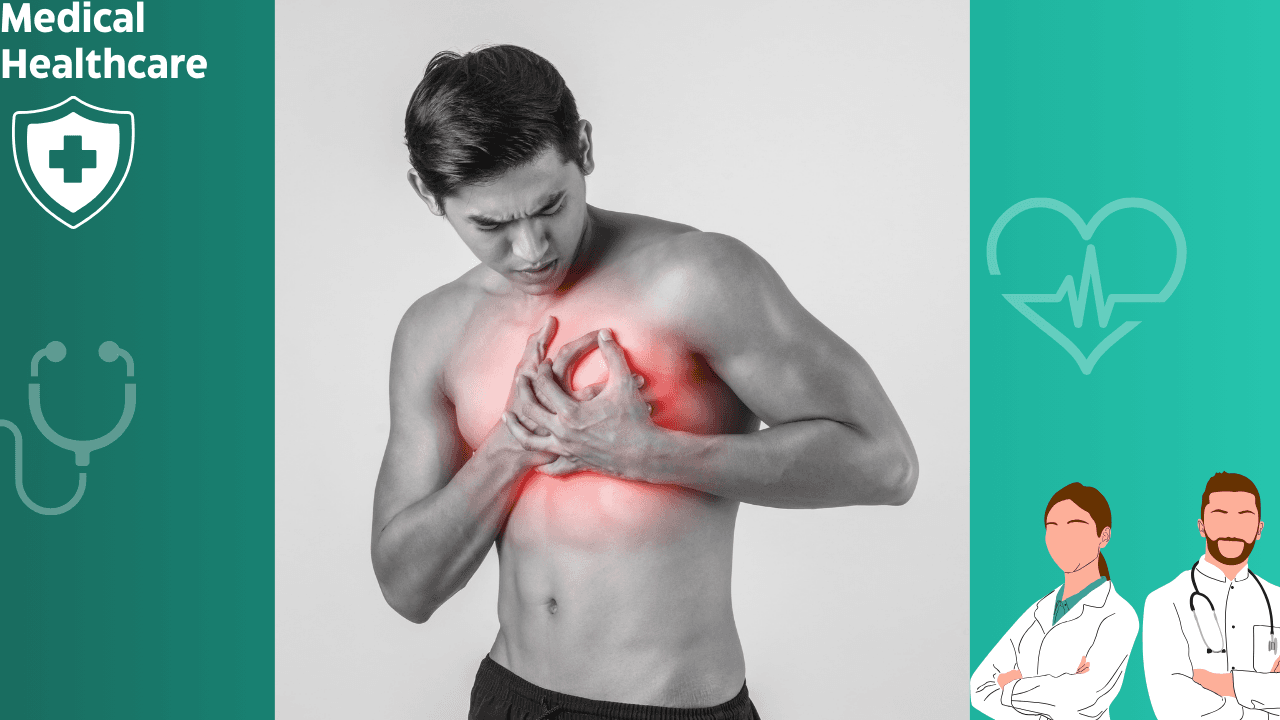
Dr. Gradlin Roy, a 39-year-old heart surgeon in Chennai, died of a fatal heart attack on September 29. 2025. The disturbing fact is that even with timely CPR, angioplasty with stenting, intra-aortic balloon pump (IABP), and even ECMO, he could not be brought back to life since his left main artery was completely blocked.
His death is a chilling reminder that even those who are in the medical profession get sick and die untimely. Researchers and health experts from all around the world are raising the alarm, saying that young, healthy people, even doctors, under 45, who have never had cardiac problems before, are being affected.
Some famous people who died too soon of heart attacks
After the COVID-19 pandemic, the untimely deaths of several famous people in India showed how dangerous heart disease can be for young people. Shefali Jariwala (42), Sidharth Shukla (40), Puneeth Rajkumar (46), Singer KK (53), Siddhant Vir Surryavanshi (46), and Chiranjeevi Sarja (35) are among the hundreds of Indian people who died young of cardiac arrest.
These deaths were a warning sign that made people pay attention to heart health problems, particularly in young people who seemed healthy.
Reasons behind the striking rise in fatal heart attack cases in India
The modern lifestyle characterized by minimal activity and poor dietary choices.
The work culture in urban areas requires people to sit at desks for longer durations and do little or no physical activity. The increasing trend of fast-food consumption, including ultra-processed meals full of sugar, harmful fats, and salt, has become a staple, making obesity, high blood pressure, and insulin resistance worse. These diets significantly increase the risk of heart disease.
Diabetes, high blood pressure, and being overweight
Diabetes, high blood pressure, and obesity have doubled or tripled the chances of fatal heart attack cases in young Indian adults under 40.
Long-term stress, lack of sleep, and mental health strain
Stress levels are rising because of employment pressures, financial worries, and competitive surroundings. This is widely known to be a silent cause of heart disease. Not getting enough sleep makes metabolic and vascular health even worse. Mental health issues like anxiety and depression can double the risk of dying from heart disease, which is quite worrying.
Tobacco & Alcohol Use
Continued use of cigarettes (including passive smoking), tobacco, and binge drinking significantly elevates heart disease risks. These substances damage vascular integrity and increase clotting tendencies.
Hidden or Uncontrolled Metabolic Risk Factors
Many fatal heart attack cases occur in individuals with undiagnosed or poorly managed hypertension, pre-diabetes, or dyslipidemia. Early metabolic dysfunction lurks behind relatively innocent health profiles and accelerates cardiovascular damage.
Genetic and Environmental Weakness
Genetic factors also have an effect. South Asians frequently display the “thin–fat” phenotype (elevated body fat with a lower BMI) and possess smaller coronary arteries, rendering them naturally more vulnerable to early-onset heart disease.
There is now a strong correlation between air pollution, especially in big Indian cities, and a higher risk of heart disease and metabolic disease. A groundbreaking study linked exposure to tiny particulate matter (PM2.5) to an increased risk of diabetes and heart disease.
Post-COVID Vascular Impact (Secondary, Not Primary)
Researchers are looking at the long-term effects of COVID-19 on the heart, such as damage to the endothelium and an increased risk of blood clots. However, the main causes are still lifestyle and metabolic variables. ICMR and AIIMS have conducted controlled investigations that reveal no vaccine-related association with the increase in fatal heart attack cases.
New 2025 Study: Vascular Aging and Sleep Deficiency
- A survey in the European Heart Journal found that women who have had COVID-19 had stiffer arteries, which means their blood vessels are maturing faster and they are at a higher risk, especially those who have long-COVID symptoms.
- Studies on sleep deprivation indicate that even three nights of inadequate sleep might elevate cardiovascular inflammatory markers, even in individuals who are otherwise healthy.
- Damage to blood vessels caused by COVID-19 SARS-CoV-2 targets ACE2 receptors in the heart and blood arteries, which causes inflammation and raises the risk of blood clots.
- Long COVID (chronic inflammation) and endothelial dysfunction that lasts for a long time slowly increase the risk of heart disease.
Actions taken by the Government of India
Study by AIIMS
Studies by ICMR and AIIMS show that there is no clear association between COVID-19 vaccinations and an increase in fatal heart attack cases in young people. Currently, the research focuses on the lifestyle and long-term impacts of COVID.
Investigations at the State Level
Hospitals in Karnataka are looking into sudden cardiac deaths among medical practitioners.
Uttar Pradesh has started STEMI Care UP, a platform that lets you send ECGs in real time using WhatsApp. This makes therapy that could save your life better within the key golden hour.
Suggested National Mission
A plan for the National Mission on Cardiovascular Wellness involves yearly screenings, more coverage via Ayushman Bharat, and money for studies on cardiovascular health after a virus.
What Can Young People Do
- Start heart health testing early: Young people even in their 20s, should think about getting an ECG, echocardiography, or stress test.
- Pay attention to warning signs: Never ignore chest pain, heart palpitations, or shortness of breath.
- Put your mental health and rest first: It’s important to get enough sleep, exercise, and handle stress regularly.
- Women need to be on guard: People should think about getting their heart and blood vessels checked out, especially if their COVID symptoms don’t go away.
- Why getting vaccinated is still very important: Myocarditis associated with vaccines in young adults is still quite infrequent (around 8 instances per million doses), and the benefits far outweigh the hazards.
Conclusion
The pandemic’s hidden legacy is an increase in fatal heart attack cases among young people, which is being made worse by losses like that of Dr. Gradlin Roy. There have been 30% to 66% more attacks around the world, and even frontline medics have died. We need to act quickly to stop this from happening. Screening, changing your lifestyle, getting help for your mental health, and changing the way policies are made are all necessary. It’s a wake-up call: take care of your heart health today so you can have a safer tomorrow.