
Introduction
Nepal plunged into one of its most serious bouts of civil unrest in years with mass, youth-led Gen Z Protests in Nepal in early September 2025. Nepal is burning, and people are frustrated at the government’s attempt to have social media sites register and accept control. Still, that anger quickly spread to a larger rebellion against corruption, nepotism, and a lack of economic opportunities.
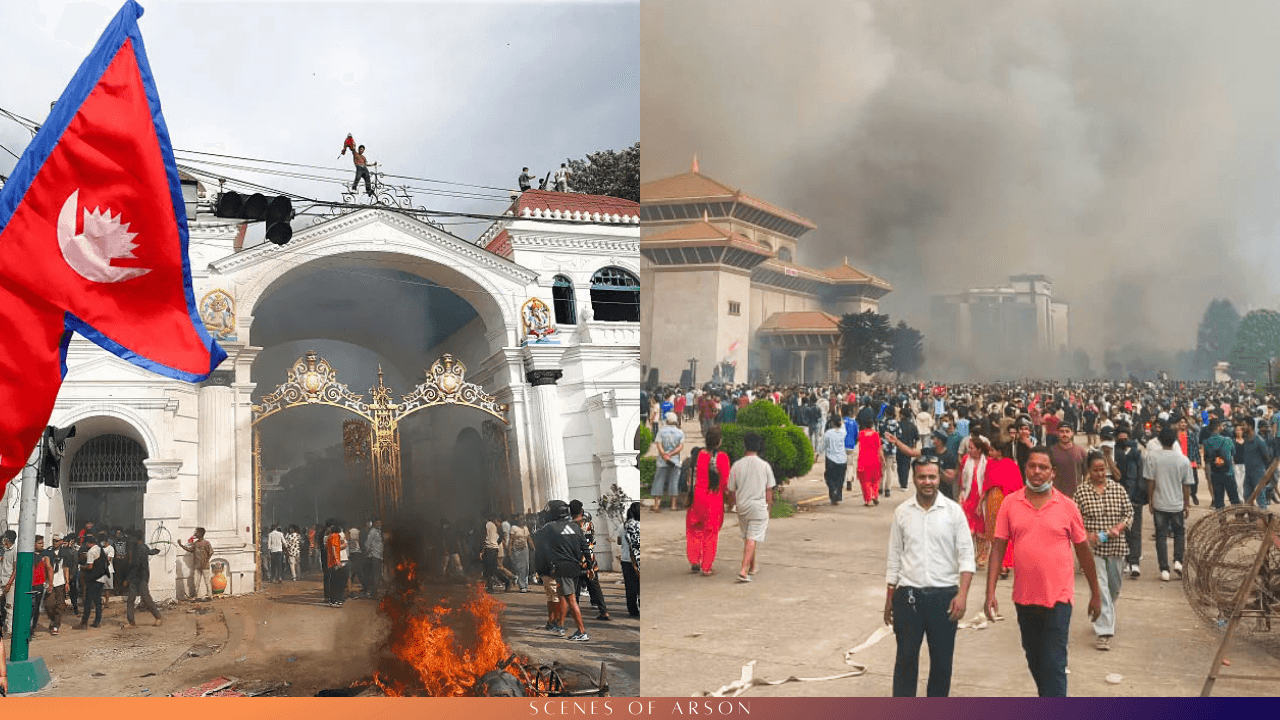
The uproar grew violent: protesters set fire to government buildings and political offices, and skirmishes with police forces left many injured and at least 19 demonstrators dead. The prime minister resigned, and the army was sent in to restore order.
Gen Z Protests in Nepal: Immediate Trigger
The government’s move to tighten control over social media sparked Gen Z Protests in Nepal, but the roots of the unrest run deeper. Years of corruption and favoritism have eroded public trust, with many people feeling that leaders prioritize their interests over the public’s. High youth unemployment and a sluggish economy have left many young people frustrated. Some have left the country to seek employment, while others feel trapped with limited options.
Since Nepal became a republic in 2008, poor leadership and unstable politics have only added to people’s disappointment. There is also a clear divide between younger, tech-savvy Nepalis and older politicians. Many young people see the new social media rules as a threat to their freedom of expression.
Past actions by security forces, such as harsh crackdowns and a lack of accountability, have made people feel the government relies on force rather than consensus. All these issues combined to create a tense atmosphere, where one government decision quickly led to widespread Gen Z Protests in Nepal.
How Peaceful Demonstrations Turned into Riots
What started as planned Gen Z protests quickly extended to other parts of Kathmandu and nearby cities. Videos and independent reports show mobs attacking important places, such as ministry buildings and, according to some sources, parts of the parliamentary complex and the homes of high-ranking officials. Fire destroyed or severely damaged government offices and many hotels.
On social media and in the news, there were reports of looting and targeted arson. Security forces responded with tear gas, rubber bullets, and, in some documented cases, live fire — a response that human rights groups say caused a high death toll and requires independent investigation. The situation deteriorated to the point where soldiers began patrolling the capital, and curfews were imposed.
Political Collapse: Prime Minister’s Resignation
The prime minister’s resignation was the most immediate political fallout of the Gen Z Protests in Nepal. This was a dramatic outcome that showed how unstable Nepali politics can be (the country has had many government changes since becoming a republic in 2008). With the head of government resigning and parliament being damaged, officials had to do two things: restore law & order and keep public order from breaking down.
Authorities arrested scores of people they thought were behind the unrest and worked with security forces to protect important infrastructure, such as the international airport and border crossings.
Curfews and Army Control: Current Ground Reality
At the time of reporting, curfews and strict movement restrictions were in effect in Kathmandu; soldiers were conducting patrols; essential services continued, albeit with disruptions; tourists and foreign nationals faced travel advisories and some evacuations; and cross-border movement at key India-Nepal transit points saw heightened checks as people sought to leave or return.
Independent monitors and rights groups called for transparent investigations into the use of force, while hospitals reported large numbers of injuries. The atmosphere remains tense and susceptible to further flare-ups as political negotiations begin.
Peace Initiatives and Steps toward Dialogue
Several actors have signaled willingness to pursue talks. Domestic civil-society groups and some political parties called for calm and negotiation, urging an impartial inquiry into protest deaths and promises of accountability for any abuses. The army and police have publicly framed their role as temporary, focused on restoring order and protecting civilians.
Early reports indicate that the government and opposition parties are preparing for mediated talks, but the momentum will depend on whether protesters accept intermediaries and whether security restrictions are eased sufficiently to make negotiations credible. Human rights organizations insist that any peace process include independent investigations and guarantees against future censorship.
India’s Role and Regional Reactions
India— Nepal’s largest neighbor and most important economic partner—moved quickly to protect its citizens, issuing travel advisories and facilitating safe return corridors for stranded travellers. Indian border forces reported detaining people who crossed irregularly from Nepal in the chaos.
India emphasized calls for calm, restraint, and the restoration of normalcy, while encouraging dialogue among Nepali political actors. New Delhi’s posture has been to avoid direct intervention while closely monitoring developments, offering humanitarian and consular assistance as required.
Global Concerns and Human Rights Response
The Chinese government urged Nepal to restore stability swiftly. The Foreign Ministry emphasized the longstanding friendship between the two nations and called on all internal stakeholders to handle the situation responsibly. China also advised its citizens in Nepal to prioritize their safety.
International media and rights groups reacted with alarm to reports of deaths and large-scale property destruction. Human Rights Watch and other organizations demanded impartial investigations into security-force killings.
Regional partners and Western governments expressed concern and urged restraint, the protection of fundamental freedoms, and a negotiated political solution. International observers warned that heavy-handed crackdowns would not resolve the underlying grievances that fuelled the uprising.
Who Holds Power Now in Nepal
Control in the streets rests with a mix of state security forces and the army, whose patrols and curfews currently shape day-to-day order in Kathmandu.
Politically, power is fragmented: the executive leadership is in transition after the prime minister’s resignation, parliament’s functioning has been disrupted by damage to facilities and by the political crisis, and opposition groups and protest networks command significant street legitimacy. That combination—security control without stable civilian governance—creates a fragile equilibrium that is prone to renewed protest or localized unrest if political grievances are not meaningfully addressed.
The Road Ahead: Can Stability Return
Immediate steps are being taken to help people and keep them safe. Keep essential services operational, ensure civilians and foreigners can move around safely, and maintain the safety of hospitals and aid facilities. Use as little force as possible and let impartial monitors observe areas where violence occurs.
To conduct an independent inquiry and hold culprits responsible, an unbiased investigation into the murders and claims of excessive force is necessary to regain public trust. International or regional observers could lend credibility.
There should be a diverse range of organizations involved in the negotiations, including opposition parties, youth groups, civic society, and trustworthy neutral mediators. Discussions need to include more than just changes in personnel; they also need to address corruption, nepotism, and genuine opportunities for young people to find employment.
Any rules for social media should be clear, fair, and in line with international principles for free speech. Heavy censorship could lead to people taking to the streets again.
Neighbors, especially India, can help by meeting humanitarian needs and fostering open dialogue. They should also avoid taking unilateral moves that could be regarded as intervention.
Army Takes Charge Amid Gen Z Protests in Nepal
As violent youth-led demonstrations have broken out, including arson, vandalism, and the burning of government buildings, the Nepal Army has taken over responsibility for law and order. A nationwide curfew is now in place until Thursday morning, September 11, 2025. This change happened after civilian authorities were unable to stop the growing unrest. Officials have warned that any more vandalism, looting, arson, or attacks on people or property will be treated as crimes and punished strictly.
Conclusion
If people believe the security response is unfair or if politicians resort to violence to regain control without implementing genuine reforms, unrest could persist or even escalate. Economic shocks from a decline in tourism and issues with cross-border trade would likely increase anger, and outside interference or opportunistic violence by criminals could exacerbate the situation.
On the other hand, a swift and open political response that holds people accountable and brings about tangible changes for young Nepalis could help alleviate the current crisis and create a delicate opportunity for long-term healing.
Gen Z Protests in Nepal is both a warning and an opportunity. It illustrates how digital policy, inequality, and corruption can converge to precipitate sudden political upheaval. It also gives leaders, citizens, and regional partners a chance to reset governance if they choose accountability, dialogue, and inclusive reform over repression. Over the coming days, we’ll find out whether Kathmandu returns to being a fragile, quiet place or embarks on a difficult path toward genuine political change.