
Introduction
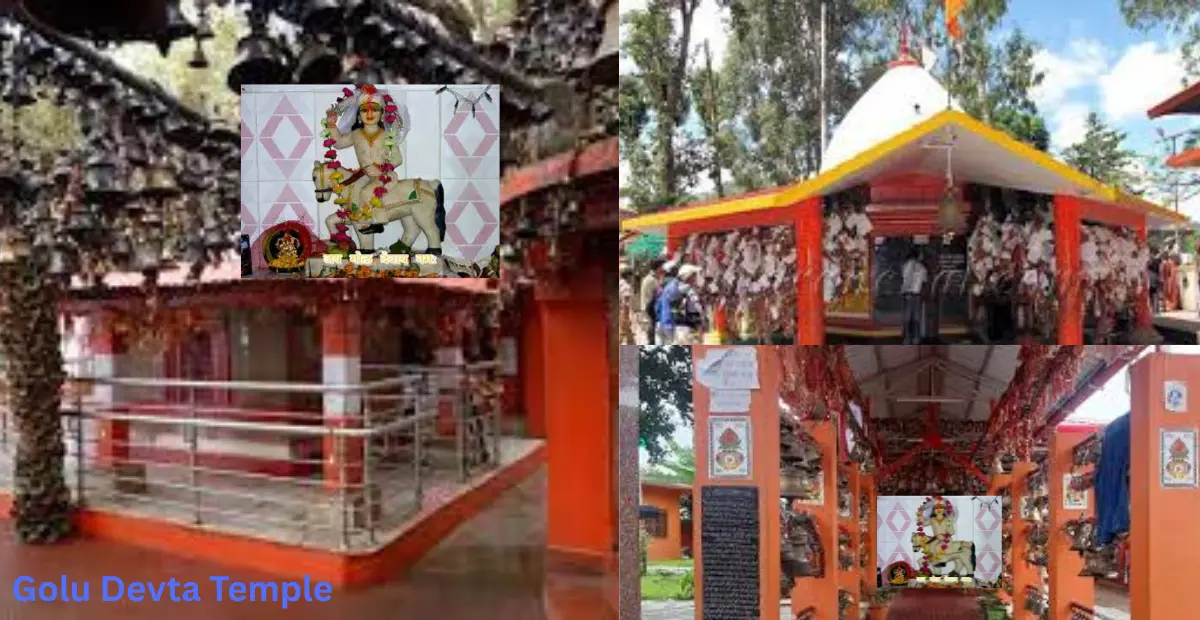
Golu Devta, known as the “God of Justice” in Kumaon, is a renowned figure who embodies Uttarakhand’s rich culture and devotion. His temples, which are covered in thousands of bells, are signs of faith and hope. A visit to a Golu Devta temple is a one-of-a-kind experience that combines learning about the area’s history with a deep search for truth and justice.
Who Is Golu Devta
The Justice-Giving Deity of Kumaon
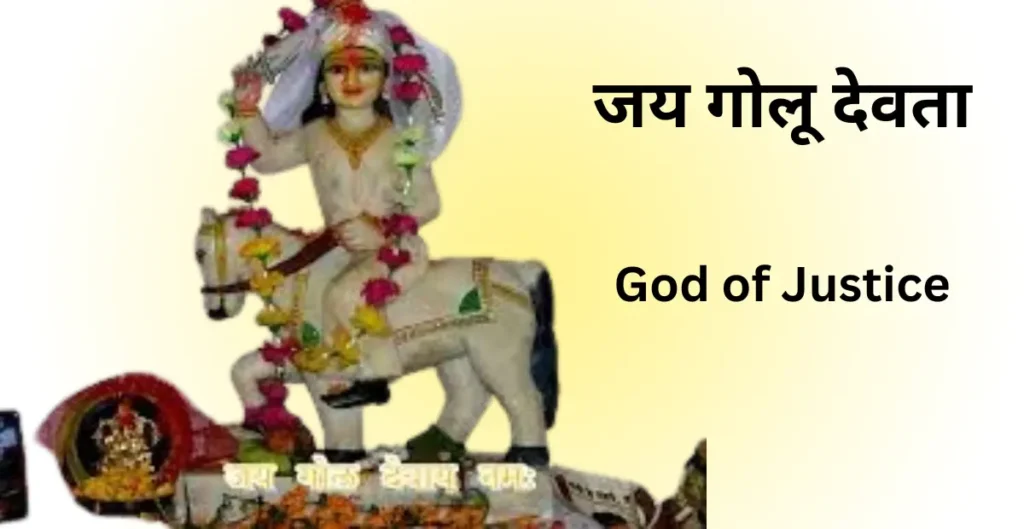
People in Kumaon hold Golu Devta, also known as Goljyu Devta, in high regard. King Jhal Rai (Kalun Dev) and Queen Kalinka (Kalyan Devi) of Champawat prayed to Lord Bhairav, a form of Shiva, before his birth. Golu’s arrival was considered a blessing, although his early life was marked by jealousy and betrayal. His stepmothers, resentful of his supernatural abilities, tried to harm him by spreading lies and, in some versions, placing him in a box in a river. A kind villager rescued and raised Golu, who matured into a strong, honest individual. Ultimately, he proved his innocence and gained the community’s respect as a defender of truth and justice.
People believe that Golu Devta is a form of Lord Shiva (Gaur Bhairav), embodying both royal and divine qualities. Worship stems from his experiences with injustice, suffering, and transformation. This is why people visit his temples for blessings and justice. Bells, petitions, and devotion are all parts of worship.
Worship Practices: Bells, Petitions, and Devotion
Visiting Golu Devta’s temples is visually striking and spiritually moving. Devotees bring brass or bronze bells upon fulfillment of wishes, hang written petitions, and offer items like white cloths, milk, sweets, rice, or coconuts as tokens of devotion. Daily aarti fills the temple with light and incense, while the walls echo generations of faith and hope.
The Living Tradition: Jagar of Golu Devta
A significant part of Golu Devta worship is the Jagar ritual, still observed in Kumaoni villages. These all-night ceremonies feature a Jagariya (folk priest) invoking the deity with rhythmic chants, hurka and damau drums, and storytelling. The priest narrates Golu’s challenges and emergence as a divine judge, while people present their petitions. Many believe this ritual is a spiritual courtroom where truth and justice are key, linking the deity’s story with the community.
Famous Golu Devta Temples You Can Visit
Ghorakhal Golu Devta Temple (Near Bhowali)
The temple is located approximately 10 km from Kaichi Dham and 15 km from Nainital. It is adorned with thousands of bells and petitions. Many visitors come here after Kaichi Dham to continue their spiritual journey and experience a sense of blessings and justice.
Chitai Golu Devta Temple (Almora)
The Chitai Golu Devta Temple is located 8 km from Almora and is probably the most famous Golu Devta temple. Its courtyard is filled with bells and handwritten requests, showcasing the devotion of its visitors and the many wishes that have come true.
Dana Golu Temple (Binsar Region)
Located near Binsar Wildlife Sanctuary, this temple offers both spiritual peace and impressive views of the Himalayas. It is a welcoming spot for travelers seeking tranquility and connection with nature.
Optional: Jageshwar Dham
Roughly 36 km from Almora, a group of 124 ancient Shiva temples can be found. This serene site is ideal for those seeking to experience Kumaon’s rich spiritual and cultural heritage.
Travel Guide & Suggested Pilgrimage Circuit
Day 1: Nainital → Kaichi Dham → Ghorakhal Golu Devta Temple → Almora
Suggested activities include attending morning aarti at Kaichi Dham, visiting the Ghorakhal temple, hanging a petition, exploring Almora town, and staying overnight.
Day 2: Almora → Chitai Golu Devta Temple → Optional Jageshwar Dham
Suggested activities include offering bells at Chitai, witnessing petitions and rituals, and extending the journey to Jageshwar for temple visits and forest walks.
Travel Tips
- Hire a taxi for convenience; buses are rare.
- The best times to visit are March to June or September to November, when the weather is pleasant.
- Dress modestly, remove shoes before entering the sanctum, and treat bells and petitions with respect.
Distances & Travel Times
- Nainital → Kaichi Dham: 18 km (45 mins)
- Kaichi Dham → Ghorakhal: 10 km (25 mins)
- Ghorakhal → Almora: 35 km (1–1.5 hrs)
- Almora → Chitai: 8 km (20 mins)
- Almora → Jageshwar: 36 km (1–1.5 hrs)
Conclusion: Why Travelers Should Visit
A visit to a Golu Devta temple is more than just sightseeing—it reveals the profound faith, cultural identity, and yearning for justice that define the Kumaon region. The story of a prince who became the God of Justice, the ringing bells, and the heartfelt petitions all testify to a living tradition where visitors connect with the region’s enduring spirit of fairness and devotion.
FAQs: Golu Devta Temple, Uttarakhand
1. Who is Golu Devta, and why is he called the God of Justice?
Golu Devta, born to a Kumaoni royal family and considered an incarnation of Lord Bhairav, is revered for protecting the innocent and delivering justice. Devotees visit his temples to seek blessings, redress, and fulfillment of wishes.
2. Where are the main Golu Devta temples located?
The most famous temples are Ghorakhal, located near Bhowali; Chitai, near Almora; and the Dana Golu Temple, near Binsar, all of which are accessible from Nainital or Almora.
3. What is unique about Golu Devta temples?
Thousands of bells and handwritten petitions (arzis) hang in the temples, representing the faith of devotees who seek justice or blessings. This creates a visually and spiritually striking atmosphere.
4. What offerings are made to Golu Devta?
Devotees offer bells, white cloth, milk, sweets, rice, coconuts, and write petitions describing their problems, which are pinned or hung in the temple.
5. What is the Jagar ritual performed for Golu Devta?
Jagar is a night-long folk ritual where the Jagariya (priest) invokes Golu Devta through chanting, drums, and storytelling, narrating his life, suffering, and divine justice while devotees seek blessings.
6. How can travelers plan a visit to Golu Devta temples?
A typical circuit is Nainital → Kaichi Dham → Ghorakhal → Almora → Chitai → optional Jageshwar Dham, usually over 1–2 days. It is best visited from March to June or from September to November.
7. Can anyone hang a bell or write a petition at the temple?
Yes, all devotees and visitors can offer a bell or write an arzi respectfully to seek justice or blessings, regardless of faith.
8. What is the significance of the bells in the temple?
Each bell symbolizes a wish fulfilled or a prayer offered, creating a collective record of devotion and divine justice that has grown over centuries.
9. Is photography allowed inside the temples?
Photography is generally allowed outside the sanctum, but please always ask temple staff for permission before taking photos inside sacred areas.
10. Why is visiting Golu Devta temples recommended for travelers in Kumaon?
Visiting these temples offers a unique blend of spirituality, folklore, and Himalayan culture, providing travelers with insight into the living traditions, legends, and faith of the Kumaoni people.